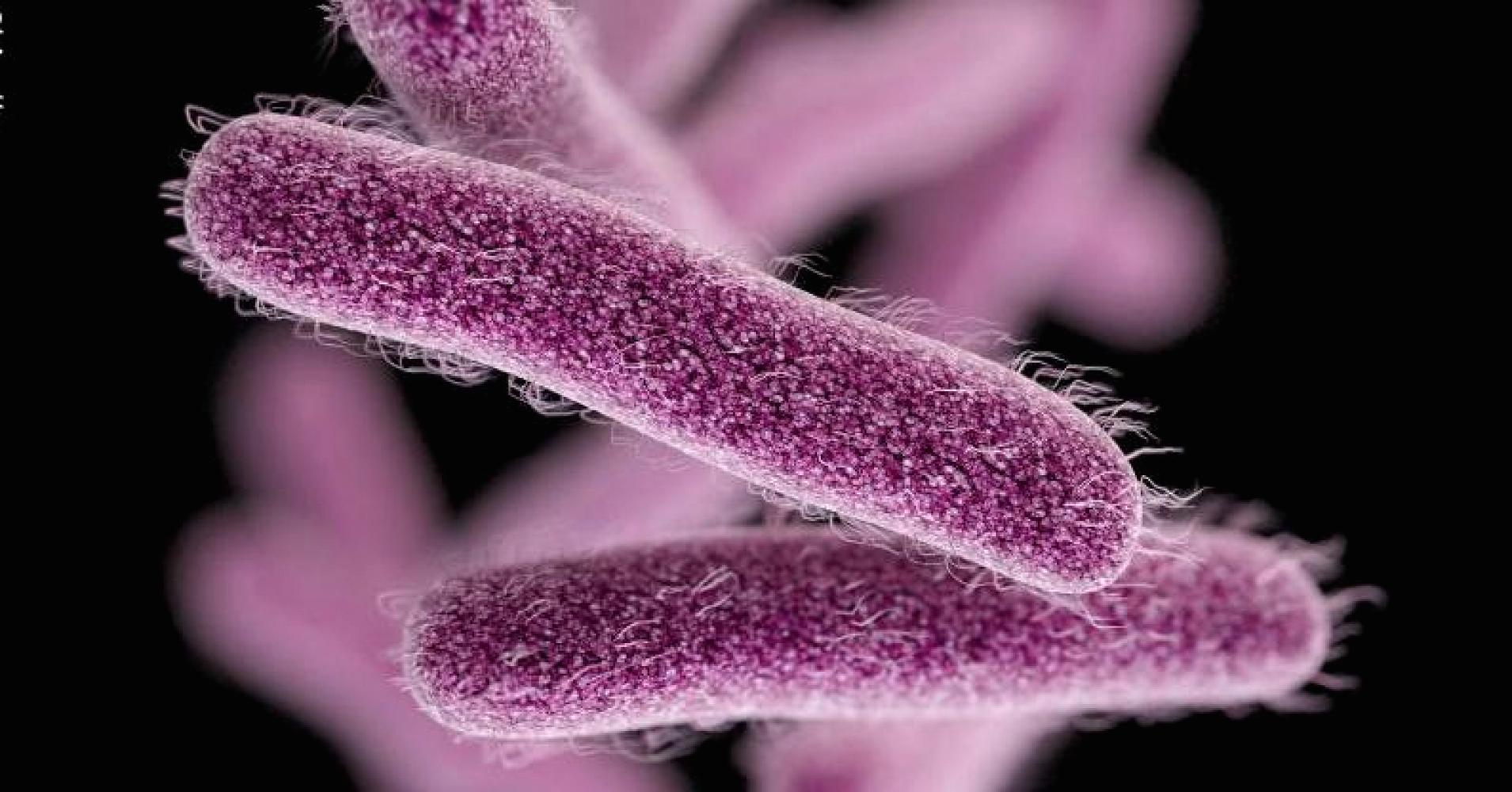
The Department of Public Health and Social Services (DPHSS) is monitoring an outbreak of Shigellosis on Guam. In 2018, a total of 29 cases of Shigellosis were reported (with 23 cases or 79% confirmed) and so far in 2019, a total of 10 cases have been reported (with 90 percent confirmed).
Shigellosis is an infectious disease caused by a group of bacteria called Shigella (shih-GEHL-uh). Most who are infected with Shigella develop diarrhea, fever, and stomach cramps starting a day or two after they are exposed to the bacteria. Shigellosis usually resolves in 5 to 7 days. Some people who are infected may have no symptoms at all, but may still pass the Shigella bacteria to others. The spread of Shigella can be stopped by frequent and careful handwashing with soap and taking other hygiene measures.
People usually get sick from Shigella bacteria after putting something in their mouth or swallowing something that has come into contact with the stool (poop) of someone else who is sick from Shigella bacteria.

 The Vermont Health Department is investigating an outbreak of gastrointestinal illness at Wake Robin, a retirement community in Shelburne. Specimens from seven individuals have tested positive forShigella sonnei. More than 50 individuals associated with the facility, or with someone who lives or works at the facility, have reported symptoms consistent with shigellosis.
 The San Diego County Health and Human Services Agency is advising gay and bisexual men, homeless individuals, and people with compromised immune systems that they could be at an increased risk for the intestinal disease shigellosis.
 In early September 2017, an over-30-year-old male who resides in northern Taiwan traveled to Bali, Indonesia with 18 tour group members. On the following day the case returned, he sought medical attention after developing symptoms, including fever, diarrhea and nausea, and was diagnosed with shigellosis. After a further investigation conducted by the health authority, a female group member who is over 20 years old had also experienced symptoms, including vomiting and diarrhea and was also diagnosed with shigellosis. According to the cases, they consumed mostly cooked food while in Bali. However, they had seafood at a restaurant with poor hygiene. Hence, it was determined that these two cases constitute a cluster. As of now, none of the contacts residing in the same household with the 2 cases has developed suspected symptoms. Moreover, the local health authority has collected specimens from the other 13 tour group members who experienced symptoms for laboratory testing.